
Beyond the Surface: What Sensory Design Reveals About How Spaces Make Us Feel
Saturday InDesign 2026
What if the most powerful part of a space is the part you can’t see?
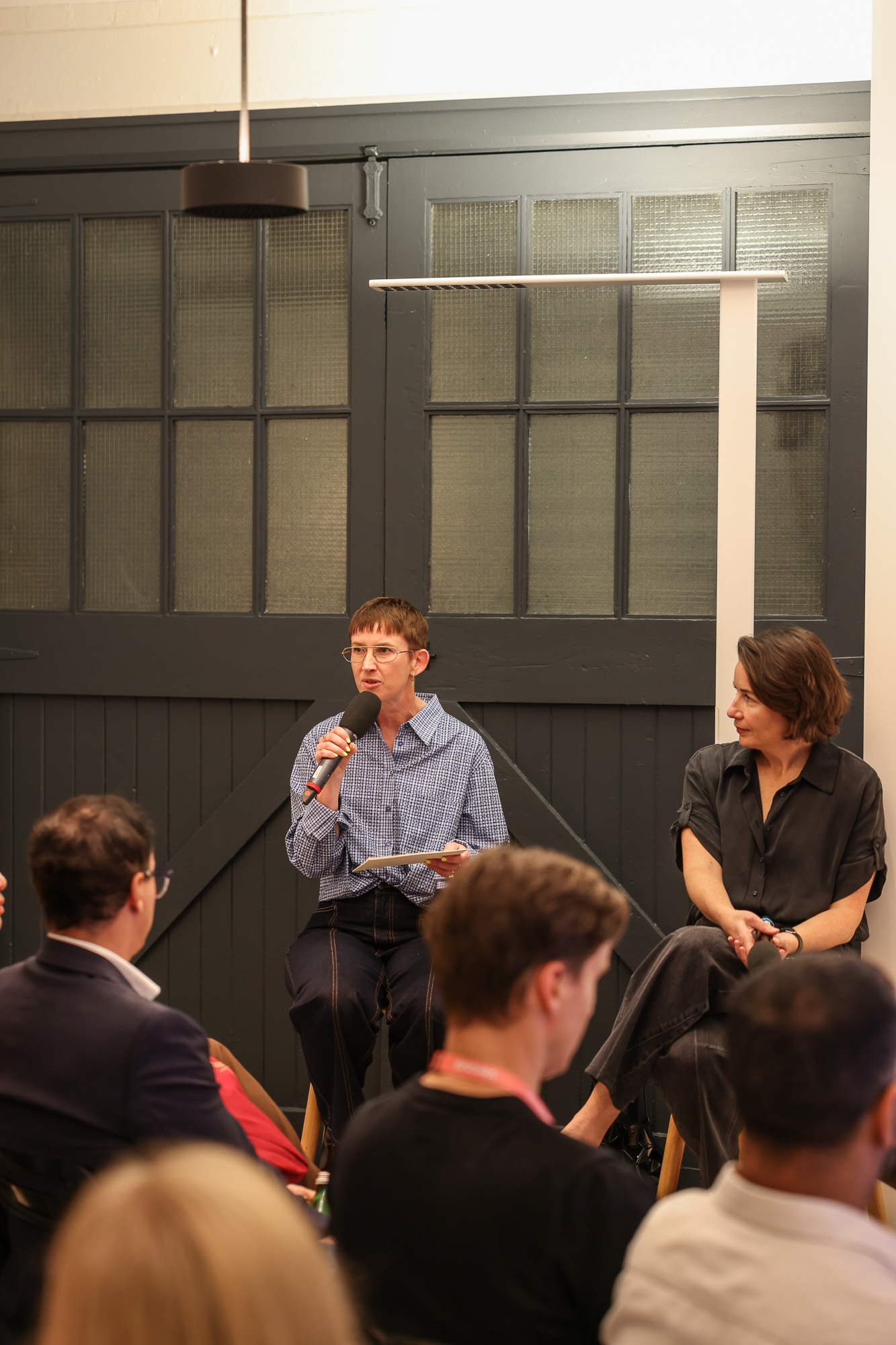
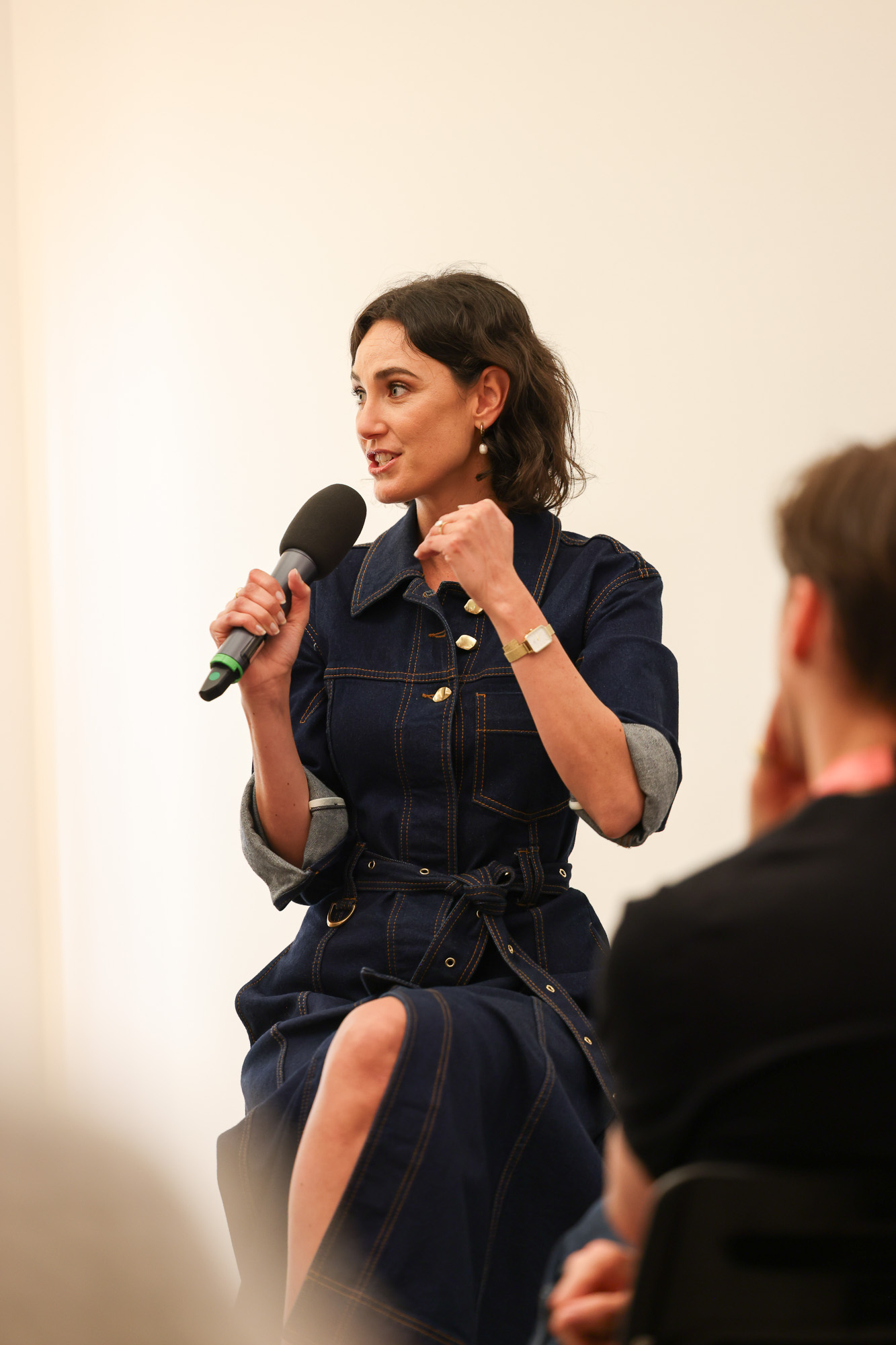
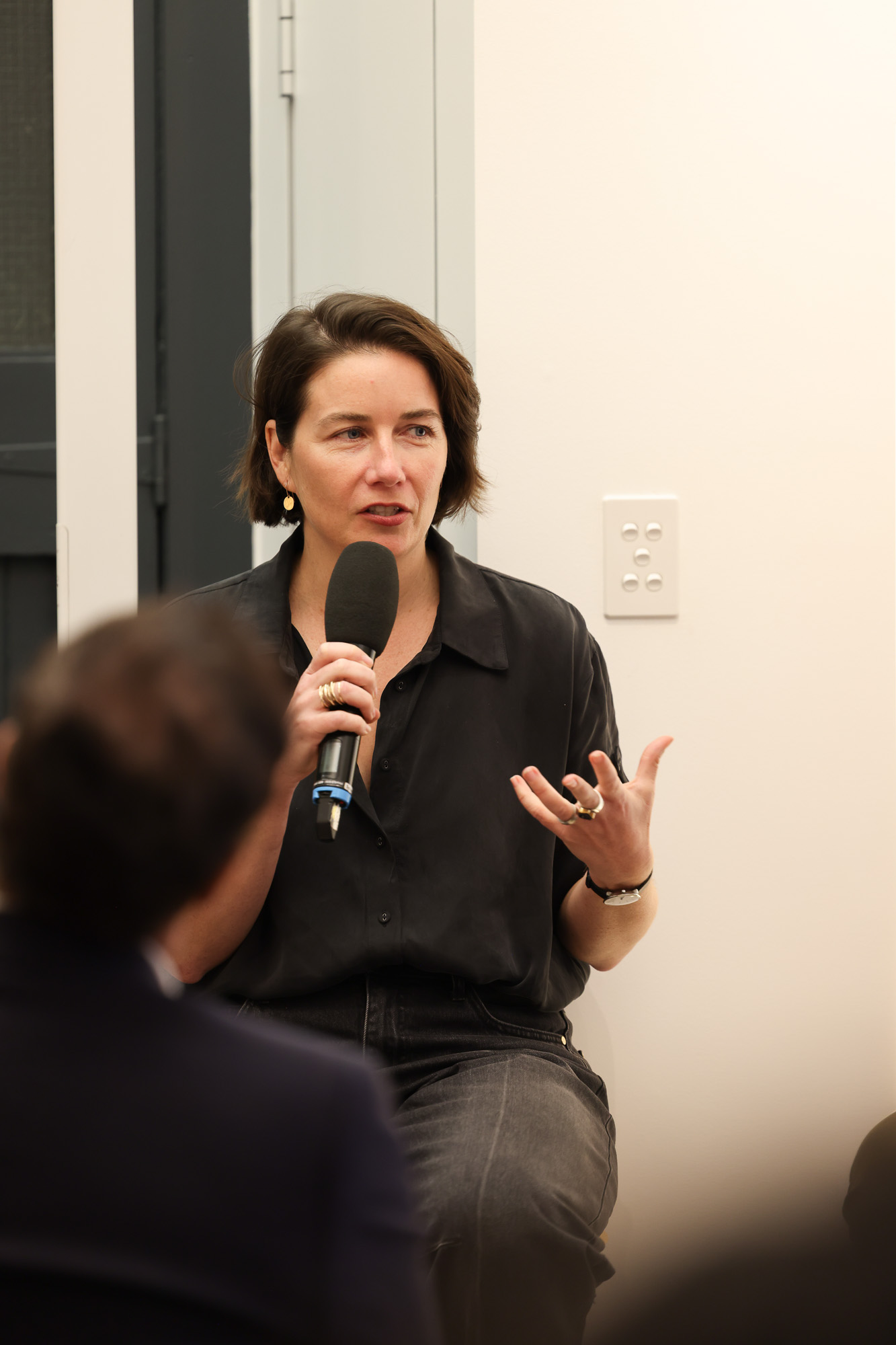
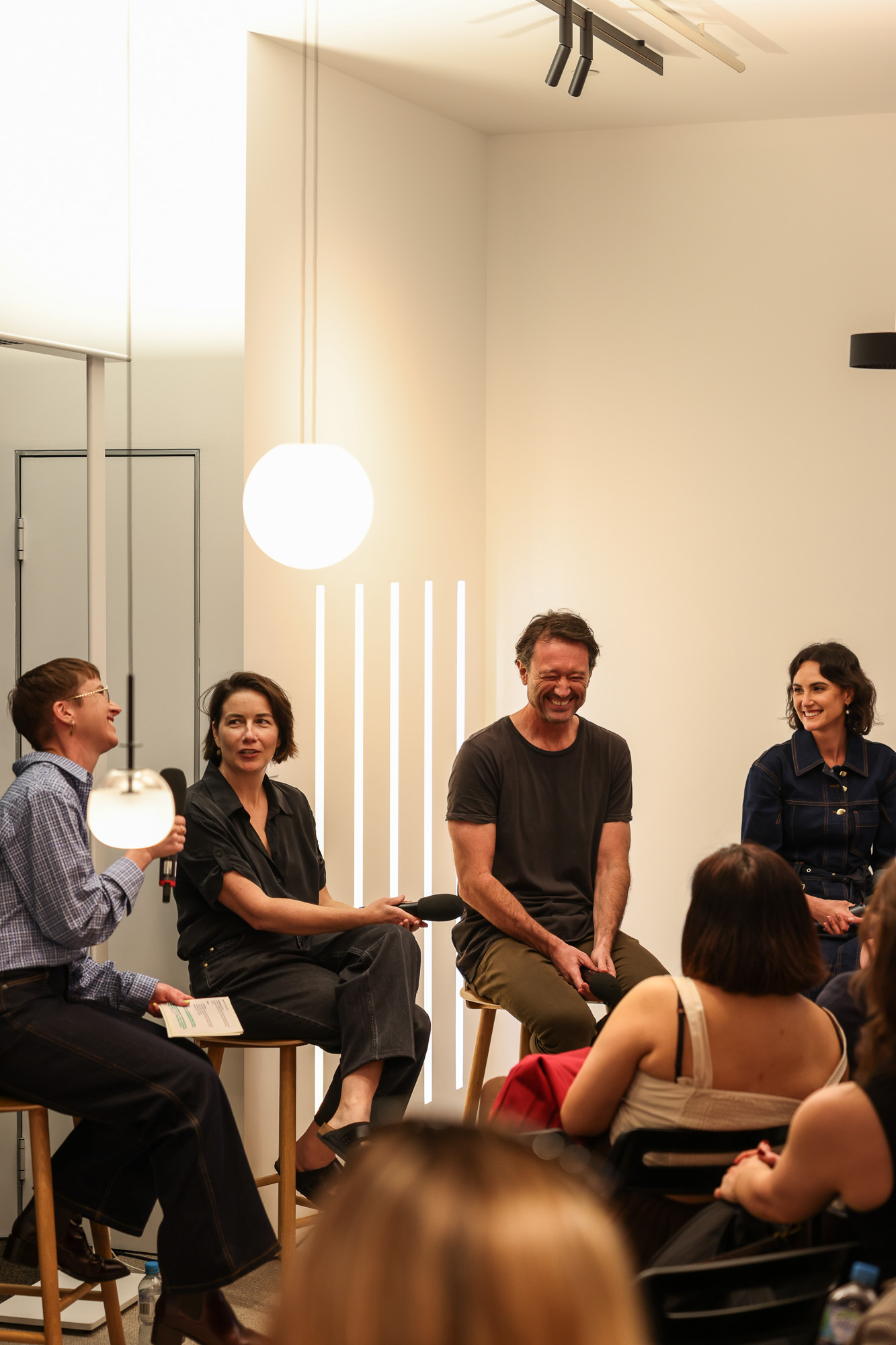
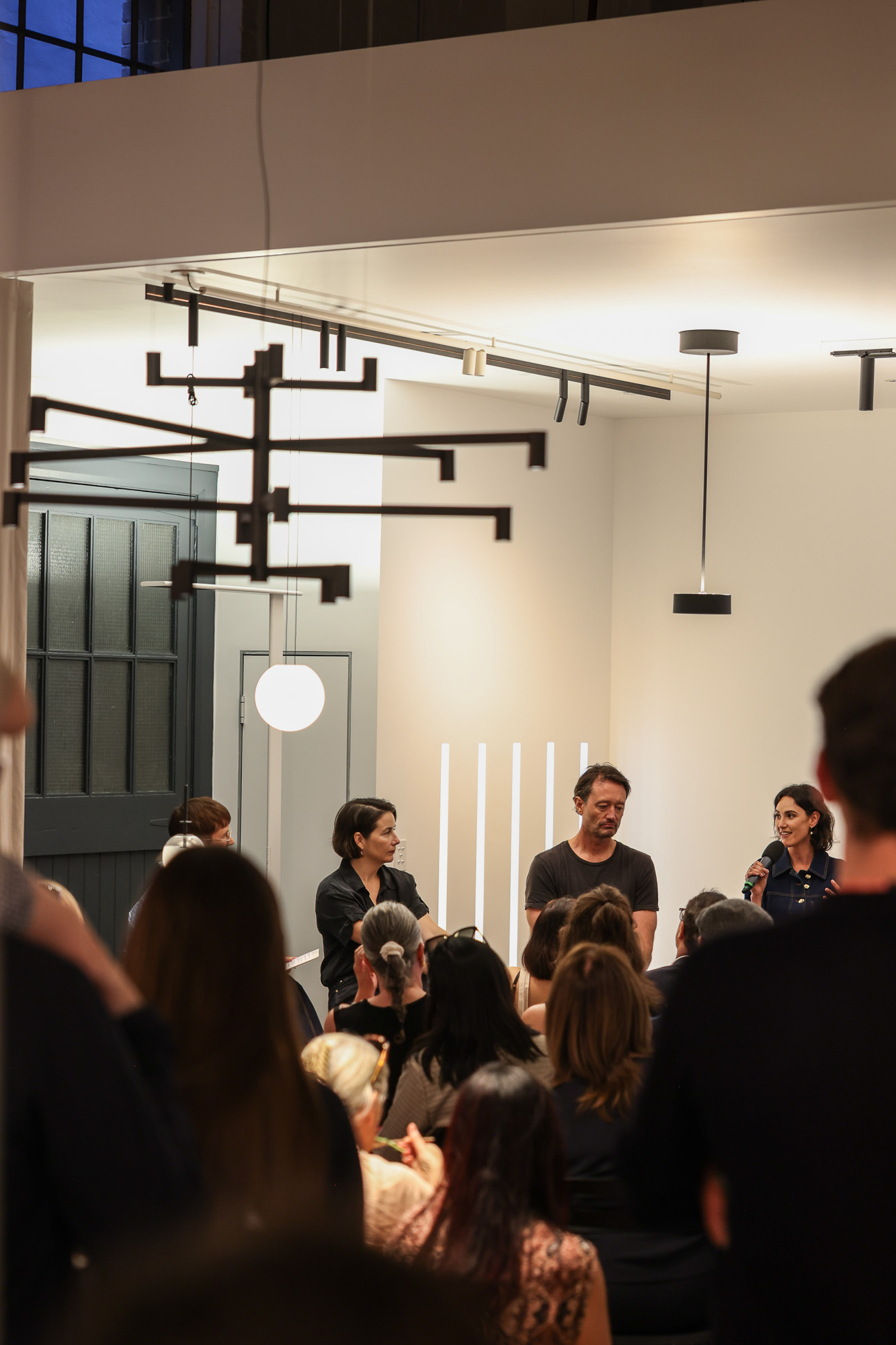
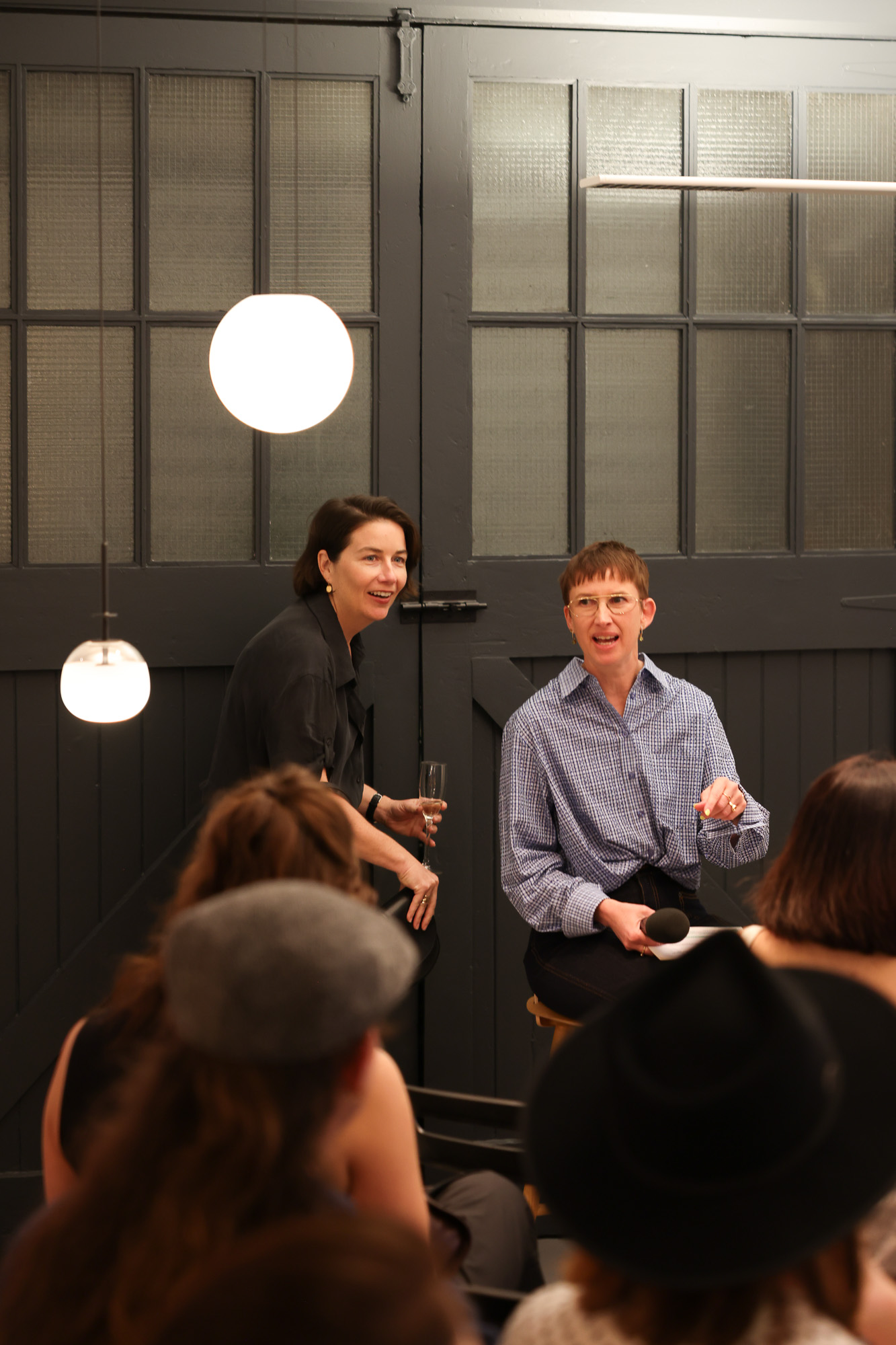
That question sat at the heart of Sensory Surface, a panel discussion presented by Euroluce, Bolon and Bang & Olufsen as part of Saturday Indesign.
Designing for Feeling, Not Just Function
A recurring theme throughout the discussion was the difference between spaces that simply “tick the boxes” and those that genuinely support human experience.
In workplace design, function is only the starting point. A floorplan can be efficient, a lighting scheme can be compliant and acoustic targets can be met, but none of these things alone guarantee that a space is somewhere people want to spend time.
Brooke spoke about the importance of an aspirational briefing process, encouraging clients to articulate not only what a space needs to do, but how it should feel.
This is particularly relevant in workplaces, which are far from neutral environments. They communicate the personality, culture and ambitions of an organisation.
One memorable example discussed was Canva’s appointment of a “Head of Vibe”, a role dedicated to understanding and protecting the emotional quality of the workplace.
While unconventional, the idea captures something important: atmosphere isn't accidental. It can be designed, curated and cared for.
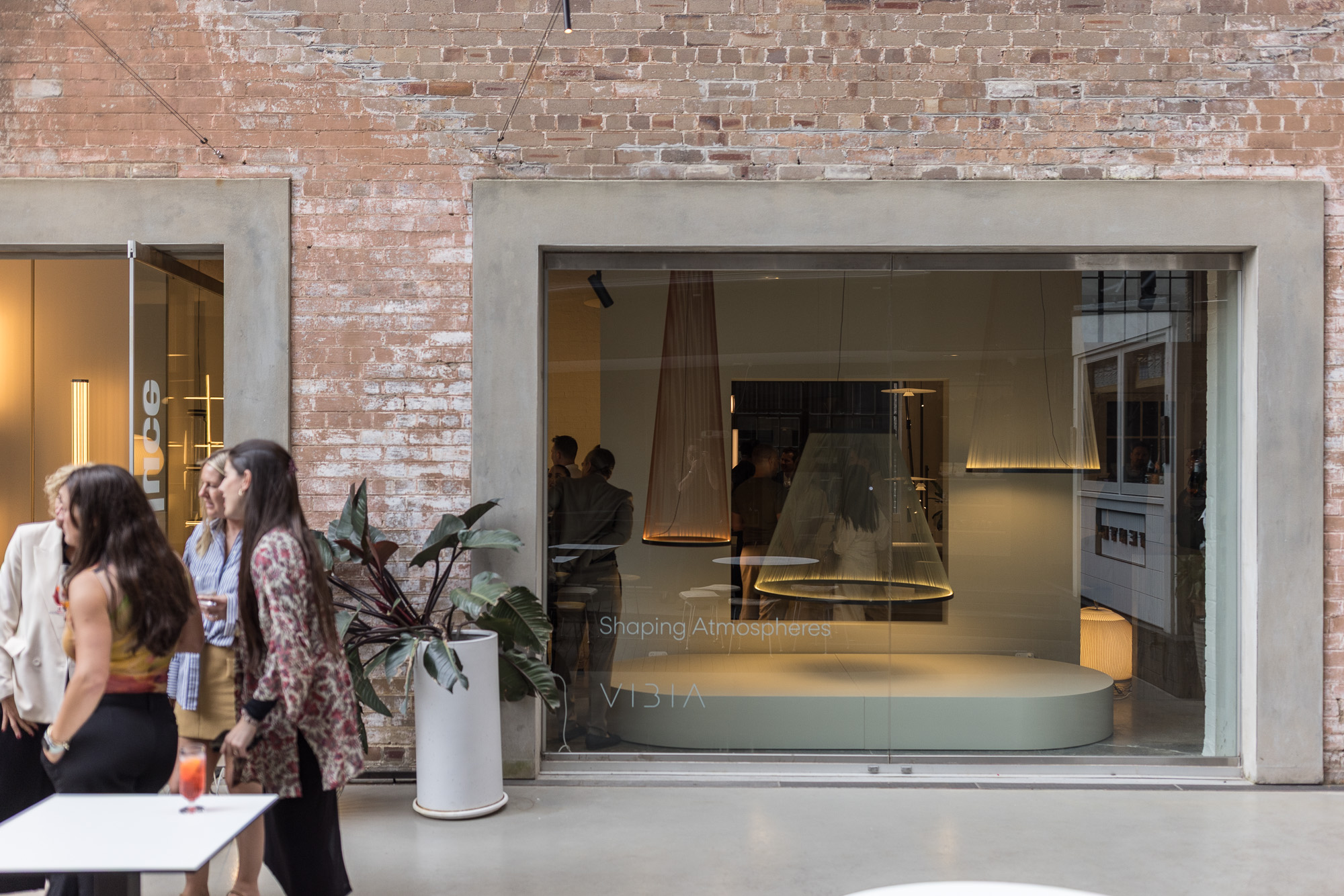
For Sensory Surface, this philosophy was central to the experience. Euroluce’s lighting, Bolon’s woven flooring and Bang & Olufsen’s sound environment each contributed a different sensory layer, demonstrating how materials and technologies can work together to shape the atmosphere of a space.
Sound Shapes Behaviour Too
If light establishes the visual and biological tone of a space, sound can play an equally important role in shaping mood, focus and comfort.
The discussion challenged a common assumption: that the problem with acoustics is always that a space is too noisy.
Sometimes, it can be too quiet.
Brooke discussed how a completely silent reception area or workplace can feel uncomfortable, even eerie. In contemporary buildings, improved mechanical systems have removed much of the background hum that people once relied upon.
As a result, designers may sometimes need to intentionally introduce ambient sound or white noise to create a more comfortable acoustic environment. Dr North also explained how music and sound can influence the autonomic nervous system, the system that helps regulate states of alertness and calm.
Faster tempos can increase energy and activate the body, while slower, more ambient sound can help downregulate the nervous system and support relaxation or creative thinking.
For workplaces, this distinction matters. Different tasks require different states of mind. Focused production may benefit from alertness and a narrower field of attention, while problem-solving and creativity can require a calmer, more open mental state.
The most considered sensory environments don't force people into one mode of being. They provide choice.
Designing for Neurodiversity Means Designing for Choice
The panel also explored the importance of creating more inclusive environments and considering neurodiversity within design.
Dr North noted that neurodivergent people, including those with autism or ADHD, may experience sensory input differently. Bright lighting, flicker, auditory distraction or overstimulating environments can become significant barriers to comfort and focus.
Importantly, there is no single solution.
Neurodiversity is diverse by definition, and what supports one person may not support another.
This means the future of inclusive sensory design isn't necessarily about creating one perfect environment for everyone. Instead, it is about creating options.
These might include quiet rooms, adjustable lighting, acoustic variation, noise-cancelling headphones, personal lamps, low-stimulation zones and spaces offering different levels of social and sensory intensity.
Donn also highlighted the issue of poor-quality LED lighting and flicker, which can be particularly problematic for some neurodivergent users.
The takeaway was clear: LED itself isn't the problem.
Poor specification is.Good sensory design requires consideration of product quality, technical performance and human impact.
Bring Sensory Thinking Into Your Next Project
Inspired by what you saw at Saturday Indesign? Visit the Euroluce Sydney showroom and explore our latest lighting collections, applications and installations with our team.
Contact us to arrange a Private Showroom Presentation
With an uninterrupted 47 year history in the professional and design marketplace, we continue to build on our core values of quality, integrity, originality, innovation, sustainability and service excellence.
Sign up for our newsletter to receive latest offers, news and special events.
Sydney
Melbourne
Brisbane
 ECOMMERCE WEBSITE WITH MOBLE